
(The Center Square) - A proposed constitutional amendment replacing Colorado's flat income tax with a graduated version reportedly could generate almost $2 billion in additional revenue for fiscal year 2027-28.
Amendment 87 would replace Colorado’s 4.4% flat tax rate, which taxpayers pay regardless of their income, with a graduated income tax. The proposal is for tax rates as low as 3.5% for individuals making up to $25,000 and as high as 8.4% for individuals making over $1 million.
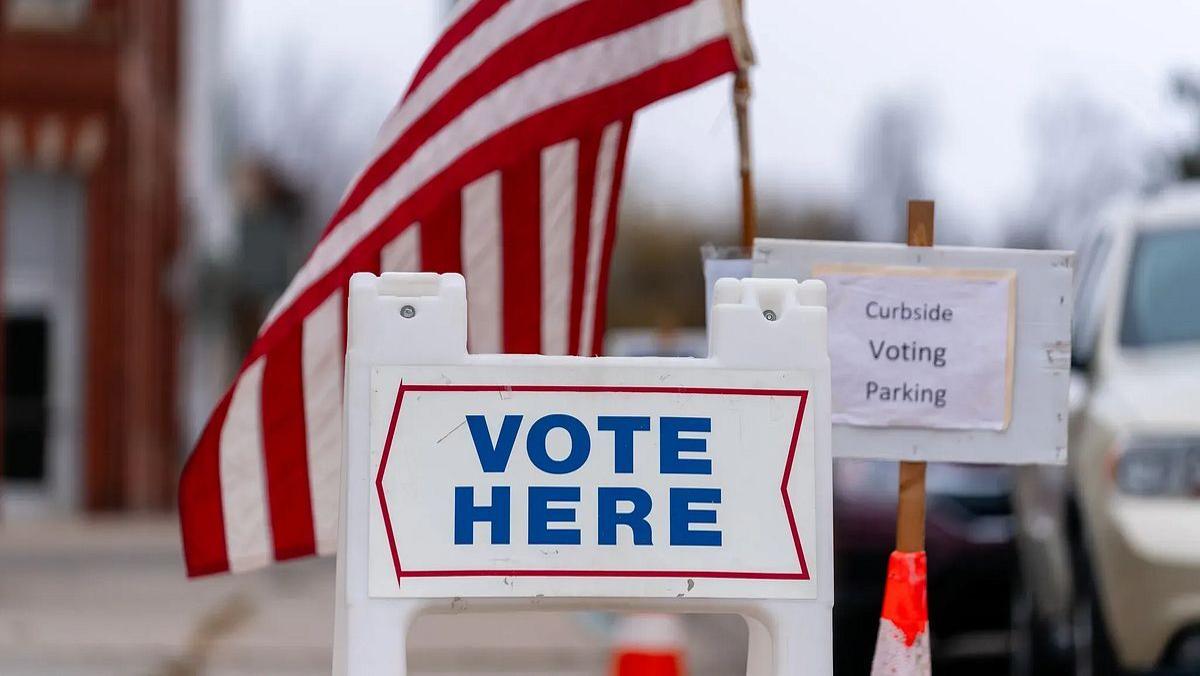
Coloradans are voting on the measure in Tuesday's general election. Polls are open 7 a.m. to 7 p.m.
The new tax rates would apply to portions of income, not an individual’s entire income. For example, a taxpayer with $600,000 of taxable income would pay 3.7% on the first $25,000. They would then pay 4.2% on the next $75,000, 4.4% on the next $400,000 and 7.4% on the remaining $100,000.
Greg Sobetski, the chief economist for the state’s Legislative Council staff, said the council predicted Amendment 87 would generate approximately $1.97 billion of additional state revenue for the next fiscal year alone.
The council staff said the projected FY 2027–28 increase consists of $946.4 million in individual income-tax revenue and approximately $1.03 billion in corporate income-tax revenue. Corporate income taxes account for approximately 52% of the total increase. The FY 2027–28 forecast combines half-year revenue impacts from tax years 2027 and 2028. A tax year is always from January through December. Fiscal year 2027-28 runs from July 1, 2027 to June 30, 2028.
The challenge is predicting how taxpayers would respond if Amendment 87 passes, Sobetski told The Center Square.
Sobetski said he was unsure whether the amendment would lead lower-income Colorado taxpayers, who would keep more of their money under a graduated tax, to spend more.
The amendment does not account for inflation and the stagnation of individuals' purchasing power, according to the state's voter information bluebook.
Sobetski said a full assessment would be needed to consider taxpayers' responses to the tax changes and the public services financed by the state's additional revenue. He further noted it can be difficult to construct this analysis in a credible, nonpartisan manner.
For more information, see the Legislative Council Staff's 2026 fiscal impact statements and The Center Square's previous reporting on Amendment 87.
Meanwhile, 14 states currently have with a flat income tax under 5%, with Arizona being the lowest at 2.5% and Idaho the highest at 5.3%, according to the Tax Foundation, a nonpartisan research organization