
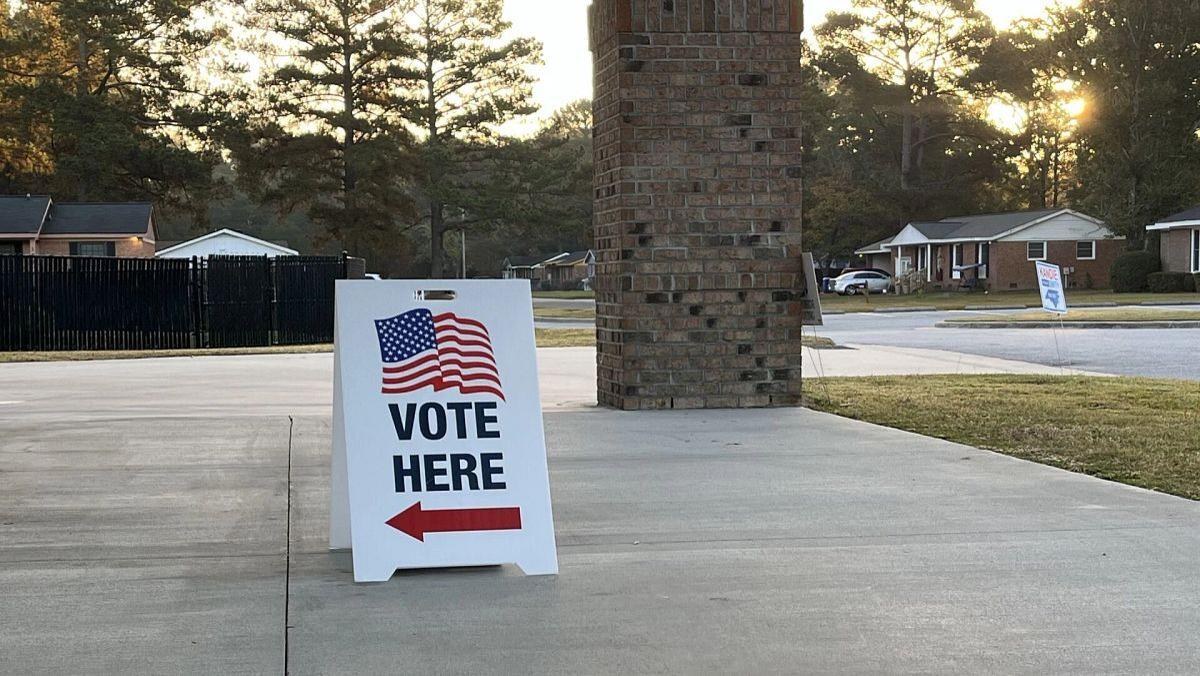
(The Center Square) – North Carolinians on Tuesday approved three constitutional amendments, two tied to taxation and another to voter integrity.
Gaining passage each by a 6 in 10 ratio were requiring photo identification for all forms of voting, including absentee mail-in ballots; changing the constitution to lower the allowable state personal income tax rate from 7% to 3.5%; and allowing the General Assembly to limit increases in property taxes from local governments.
Ballot referenda collectively in North Carolina were unique to the nation – the only state with personal income tax, property tax and voter photo identification in the three constitutional amendments.
Since 1985, North Carolina’s 33 statewide ballot measures have had just five defeats.
North Carolina voters in 2018 endorsed presenting photo identification when voting in person. Litigation, led in part by Sen.-elect Roy Cooper as governor, led to implementation delayed until the 2023 municipal races.
The amendment would make the April 2023 ruling by the state Supreme Court constitutional. The state’s highest bench said photocopies of photo IDs were to go in with ballots mailed, or completion of an ID Exception Form.
For this one, the ballot asks voters to vote for or against, “Constitutional amendment to require all voters, not just those presenting to vote in person, to present photo identification before voting.”
The state’s individual income tax is a flat rate of 3.99% and scheduled to continue dropping to 3.49% in 2027, 3.24% in 2030 and 2.99% in 2033. After 2034, revenue-triggered cuts could get it to 2.49%. The amendment puts a cap of 3.5% starting in 2027. Today, in the general statutes, the cap is 7%.
The ballot asked voters to vote for or against, “Constitutional amendment to keep the state income tax rate from being raised higher than three and one-half percent (3.5%).”
The property tax amendment does not set a floor or cap; rather, it says lawmakers are to pass laws limiting how much local governments can increase total property tax revenue from year to year. It does set a “levy limit” capping growth in total dollars. Exceptions could be granted by the lawmakers.
The ballot asked voters to vote for or against, “Constitutional amendment requiring limits on property tax increases by local governments.”