
I've spent a good part of my life in the trenches of Michigan politics – running the state Republican Party, working campaigns, and watching up close how voters actually make up their minds. If there's one lesson that stuck with me, it's this: a campaign can knock on every door, run every ad, and send every piece of mail in the state, but nothing moves voters like watching two candidates stand on the same stage and go at it without any handlers, scripts or teleprompter to hide behind.
Michigan is once again at the center of American politics. In November, voters will choose a new governor and a new U.S. Senator. These two open, fiercely competitive races that will help determine the balance of power in both Lansing and Washington, D.C.
How Michiganders make those decisions will depend, more than most people realize, on local broadcast news.
That has been true since television first entered American living rooms. When John F. Kennedy debated Richard Nixon in 1960, the first live presidential debate ever carried on TV, modern campaigns were never the same. From that night on, voters began to weigh candidates on how they carried themselves under pressure, on preparedness, and presences, not just policy in the abstract. I watched that same dynamic play out in race after race across Michigan. Debates give voters their clearest, most unvarnished and honest look at the candidates who will actually shape their daily lives – the roads they drive, the schools their kids attend, the industries that employ their neighbors.
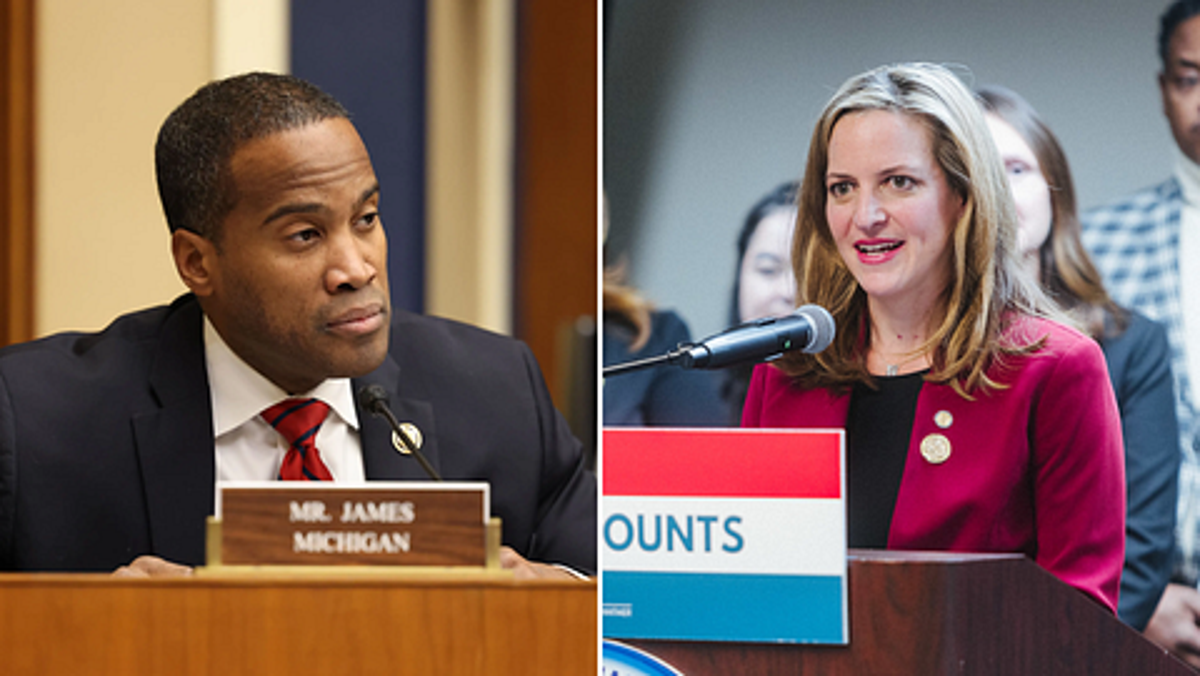
This fall, Michiganders will get that chance once again. Last week, Republican U.S. Rep. John James faced Democratic Secretary of State Jocelyn Benson in the gubernatorial debate on Oct. 6, and Republican Mike Rogers and Democrat Abdul El-Sayed debated for the U.S. Senate seat on Oct. 8. Both debates aired on live television on local stations throughout the state, as part of Nexstar’s “Debate Week in Michigan.”
In a media environment saturated with content optimized to persuade rather than inform, local journalism has become a rare civic good. Social media can spread misinformation in seconds, and the national networks routinely overlook the perspectives that matter most in Kalamazoo or Marquette. Local stations show up and cover the news that actually shapes people's lives.
That critical civic function is exactly why the current turmoil in local broadcasting should concern Michigan voters. Nexstar’s acquisition of TEGNA is currently halted by a federal preliminary injunction, with a coalition of state attorneys general and DIRECTV blocking the case in court on antitrust grounds.
But the underlying reality is that local broadcast newsrooms across the country are under real financial strain. With advertising revenue migrating to digital platforms and streaming services, local television stations now compete against some of the largest media companies in the world.
For local journalism to survive and keep providing coverage of elections like this one, broadcasters need the scale to invest in newsrooms, retain experienced reporters, and coordinate the kind of statewide programming that actually reaches voters. Debate Week is exactly the sort of civic broadcasting that requires coordinated capacity most single stations can no longer sustain on their own. Blocking deals like Nexstar-TEGNA won’t put a single additional journalist in a Michigan newsroom or one more debate on a Michigan screen.
The newsrooms carrying our October debates are doing work for the state’s voters – a service that no algorithm will ever replicate. Michiganders have leaned on local news through every election in living memory, and we will do so again this fall. Protecting local journalism is a cause both parties – and all voters – can unite on.