
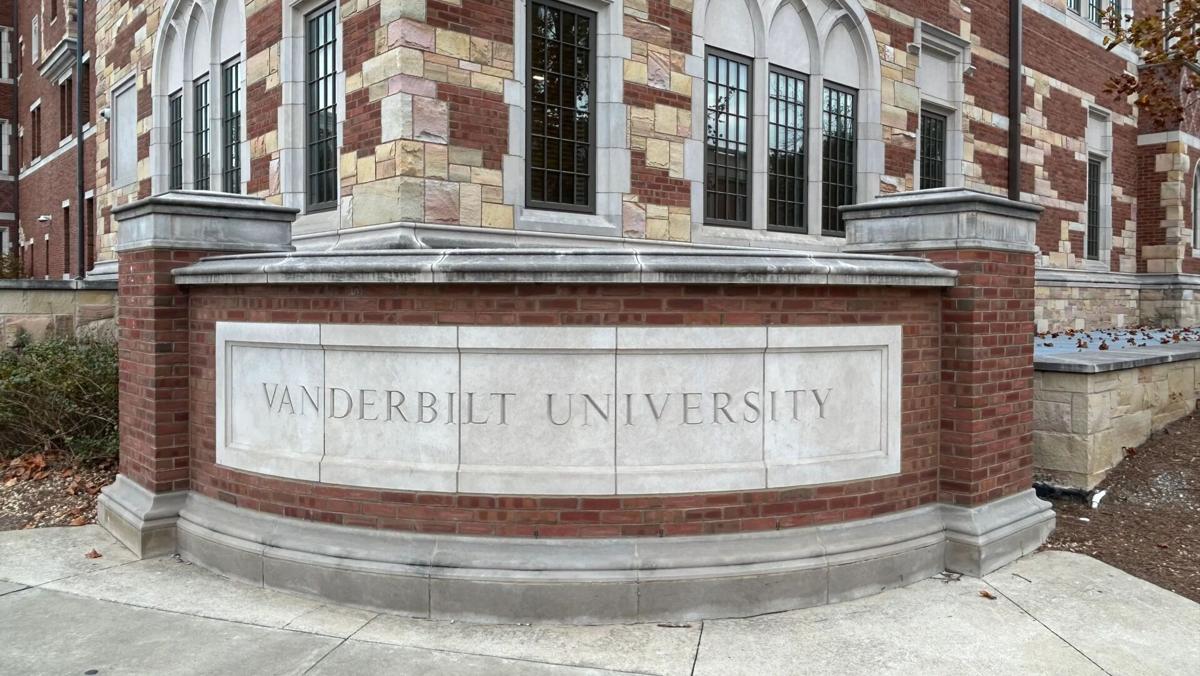
(The Center Square) – Nashville's Vanderbilt University ranked fifth in the Foundation for Individual Rights and Expression's College Free Speech Rankings 2027, earning a C-plus and the University of Memphis received a D, the lowest of the four Tennessee schools surveyed.
The Foundation for Individual Rights and Expression, known as FIRE, spoke to 63,000 college students at 261 U.S. campuses.
Vanderbilt's "green light" rating and Top 25 ranking for "Administrative Support" indicate that students trust administrators to defend free speech, the organization said. The faculty senate has approved the free speech Chicago Statement, a 2015 policy statement on free expression created by the University of Chicago. The score is based on 213 survey responses from Vanderbilt University.
The University of Memphis is ranked 168th and received a "yellow light" rating, which is given to an institution that has at least one policy that "restricts a more limited amount of protected expression or, by virtue of vague wording, can too easily be used to restrict protected expression," according to FIRE.
The organization surveyed 263 Middle Tennessee University students, resulting in a 43rd-place ranking. The University of Tennessee at Knoxville was ranked 47th and given a D-plus grade based on surveys of 306 students.
Overall, Tennessee's institutions were given a D-plus by the organization, the same as last year, according to the report. Scores increased in comfort expressing ideas, but decreased in openness. The state's universities had an increase in their score for disruptive conduct, which is described as "students acceptance of shouting down speakers, blocking access to events, and using violence to stop campus speech."
The University of Chicago topped the survey results. Claremont McKenna College, Georgia Institute of Technology and Michigan Technological University rounded out the top four.
New York University is at the bottom of the list, ahead of the University of Washington, Texas State University, Northeastern University, and Rutgers University-New Brunswick.
The report comes just shy of a year after the murder of political activist Charlie Kirk at Utah Valley University.
“The impact of Charlie Kirk’s assassination continues to negatively reverberate on campuses across the country,” said FIRE Chief Researcher Sean Stevens. “Rather than view the tragedy as a warning about the extreme results of partisanship and inability to peacefully engage in dialogue, many college admins took it as an invitation to double down on censorship.”